
Step Flashing vs. Pan Flashing: What’s Best for Shingle Roofs?
Ronnie Smith • May 6, 2025
This is a subtitle for your new post
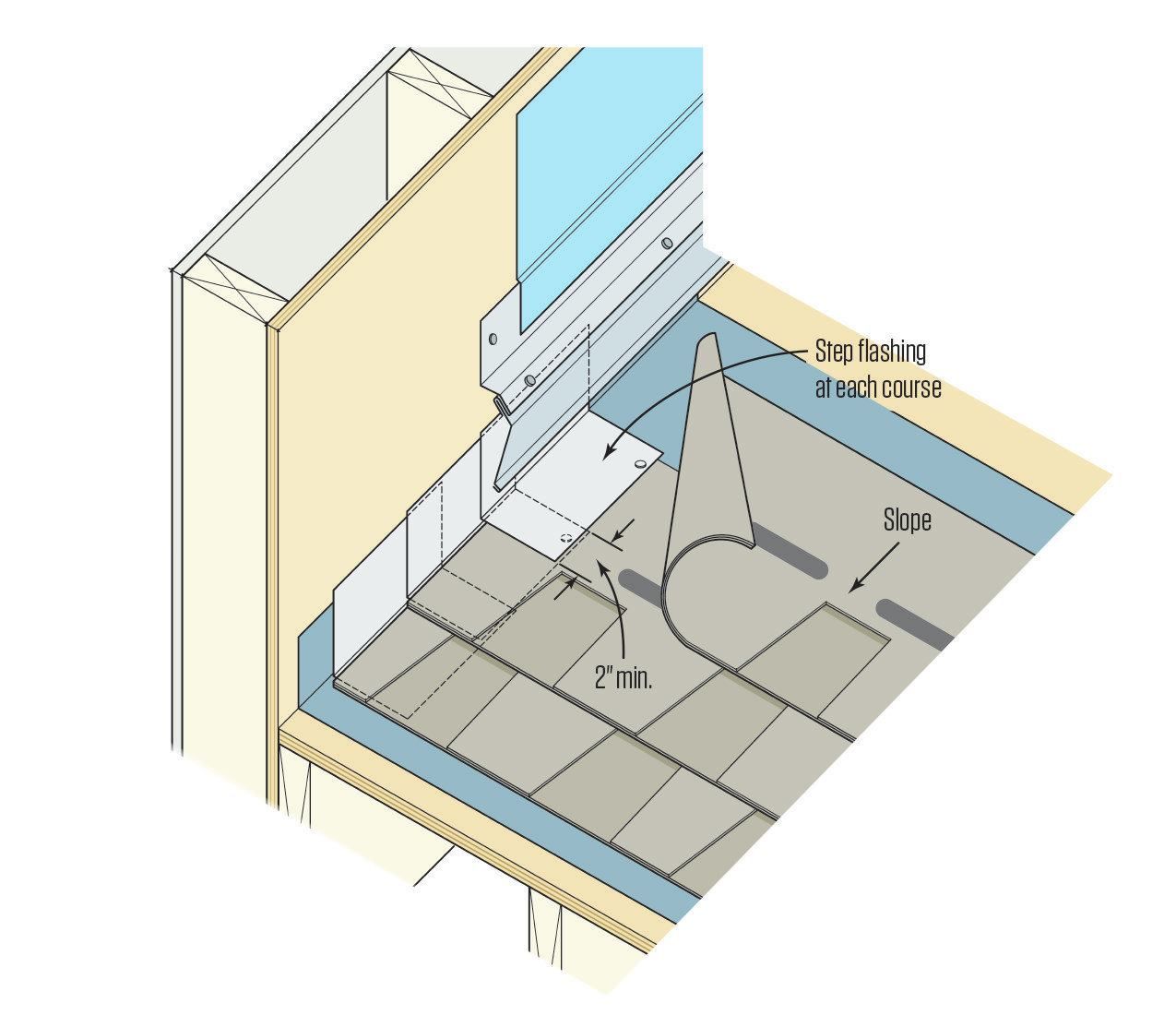
When it comes to protecting your shingle roof from water damage, the flashing method you choose matters. While pan flashing is common in some applications, step flashing is the clear winner for shingle roofs.
What is Step Flashing?
Step flashing uses a series of L-shaped metal pieces layered between each row of shingles where the roof meets a wall or chimney. This creates a watertight, stair-step pattern that directs water safely down the roof.
Why Step Flashing is Better
Superior Water Protection: Each flashing piece overlaps the next, channeling water away from the roof and walls.
Seamless with Shingles: Step flashing is woven into the shingles, leaving no gaps for water to sneak in.
Versatile Fit: Works well around chimneys, dormers, and angled roof transitions.
Durable Materials: Made from rust-resistant aluminum, galvanized steel, or copper.
Cleaner Look: Properly installed, it blends into the roofline for a clean finish.
Trusted by Pros: It’s the standard in asphalt shingle roofing for a reason—decades of proven performance.
Bottom Line
Pan flashing may work on flat roofs, but for pitched shingle roofs, step flashing offers longer-lasting, more reliable protection. Always hire a professional roofer to ensure it’s done right.
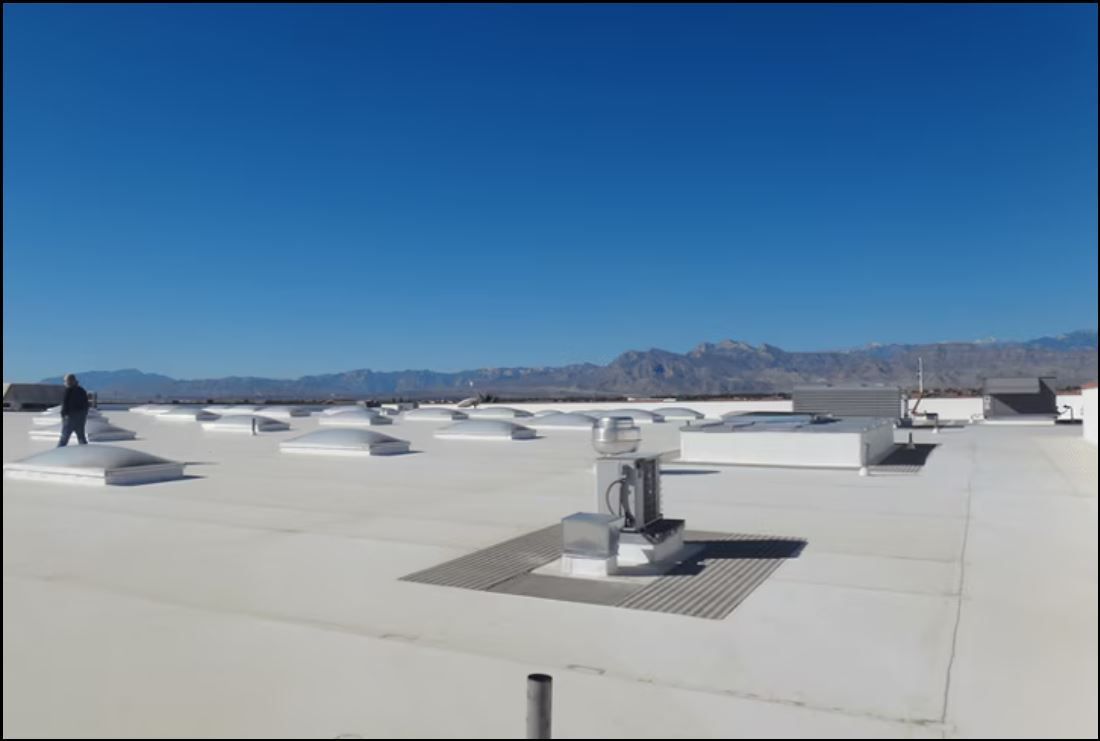
The most common question building owners ask about their roof is simple: “How long is this thing supposed to last?” The honest answer is that most commercial roofs can last longer than people expect—but only when they are properly designed, installed, and maintained. Age alone is rarely the deciding factor. In practice, roofs fail because of design deficiencies, detailing issues, drainage problems, and deferred maintenance far more often than they fail simply because the membrane is old. Under ideal conditions, most commercial roofing systems fall within predictable life expectancy ranges. Single-ply systems such as TPO and PVC commonly perform well for twenty to thirty years. EPDM systems often reach twenty-five to thirty-five years. Modified bitumen systems typically fall into a similar range, while properly designed metal roofing systems can last forty years or more. Roof coatings, when appropriate, do not replace a roof but can extend its service life by ten to twenty years. These numbers assume quality installation, proper drainage, and consistent maintenance—assumptions that are not always met in real-world conditions. What ultimately determines roof longevity is not the material alone but how the entire roof system performs over time. Two roofs installed in the same year with the same membrane can age very differently. Poor drainage that allows water to pond, inadequate flashing at penetrations, improper attachment, or repeated short-term repairs can dramatically shorten the service life of an otherwise sound roof. Foot traffic without protection, undocumented storm damage, and long gaps between inspections also contribute to premature failure. In many cases, roofs that appear “old” are still performing adequately, while newer roofs experience chronic leaks due to hidden construction or design issues. It is also common for owners to assume that a roof reaching twenty years of age automatically needs replacement. In reality, many membranes age cosmetically while remaining watertight and structurally sound. Strategic repairs, improved drainage, or a restoration approach may allow a roof to continue performing reliably for years. When these decisions are supported by proper inspections and documentation, owners can often defer full replacement responsibly and preserve capital without increasing risk. This approach is most effective when paired with a structured maintenance program rather than reactive, leak-by-leak repairs. That said, there are clear situations where replacement becomes the most responsible option. When moisture infiltration is widespread, insulation is saturated, structural components are compromised, or repeated repairs no longer address the root cause of failure, continuing to patch the roof usually costs more in the long run. At that point, the roof may no longer meet current performance expectations, wind-uplift requirements, or operational needs. A professional evaluation helps determine when the line has been crossed from maintainable to unsustainable. This is why inspections matter far more than age. A comprehensive roof inspection—especially when combined with infrared moisture scanning—provides information that no warranty date or installation year can offer. Proper inspections identify concealed moisture, differentiate cosmetic aging from functional failure, and provide the documentation needed for budgeting, insurance discussions, or long-term planning. For owners managing multiple facilities, inspections allow capital to be allocated strategically instead of reactively. The most expensive roof replacements are almost always the ones performed under emergency conditions. Owners who plan ahead gain significant advantages, including competitive bidding, better scheduling, improved system selection, and reduced disruption to operations. Working with an independent roof consultant rather than relying solely on contractors often leads to clearer information and better long-term outcomes because decisions are based on condition and performance rather than sales pressure. So how long does a commercial roof really last? As long as it is properly designed, detailed, inspected, and maintained. Age is only one data point, and by itself, it is rarely the most important one. Understanding the actual condition of the roof allows owners to make informed decisions, avoid unnecessary replacements, and reduce the risk of unexpected failures. 📞 Ready to Take the Next Step? If you would like objective guidance on the condition of your roof, its remaining service life, or whether repair, restoration, or replacement makes the most sense, a professional roof inspection and consulting review can provide clarity before small issues become costly problems. FAQ: Commercial Roof Lifespan How often should a commercial roof be inspected? At least once per year and after major storm events. Can a roof last beyond its warranty period? Yes. Warranties do not define actual service life. Is coating always a good option for older roofs? No. Coatings are effective only under specific conditions and can fail when used improperly. What is the biggest mistake owners make? Waiting for visible leaks before evaluating the roof.
Hiring a roofer is a major investment. One of the first things you should ask is whether they are licensed. But what does that actually mean—and why does it matter? A Licensed Roofer Meets State or Local Requirements When a roofer is licensed, it means they’ve met the minimum qualifications set by a state licensing board or local municipality. These qualifications may include: • Proof of roofing knowledge or experience • Passing exams (business, safety, and trade-specific) • Providing proof of insurance or bonding • Complying with local building codes and safety laws Each state has its own licensing rules. Some require specific roofing licenses, while others may include roofing under general contractor licensing. Why It Matters for Homeowners ✅ Legal Protection Hiring an unlicensed roofer may violate local laws and could void your home insurance if something goes wrong. ✅ Workmanship Standards Licensed roofers are more likely to follow codes, pull permits, and perform quality work. ✅ Dispute Resolution Licensing boards can help mediate disputes or hold contractors accountable if issues arise. ________________________________________ Bottom Line: A licensed roofer shows they take their trade seriously and operate within the law. It’s not just a credential—it’s peace of mind. When comparing roofers, always ask: Are you licensed in this state? Or better yet, use these links to check for yourself! Mississippi - https://tinyurl.com/35ddknck Alabama - https://tinyurl.com/yh8dt4sw

When hiring a roofing contractor, one of the first things you should ask is: “Are you insured?” But what does that really mean—and why does it matter? Insurance Protects More Than Just the Roofer When a roofer says they are “insured,” it typically means they carry two key types of coverage: 1. General Liability Insurance 2. Workers’ Compensation Insurance Each of these plays a vital role in protecting both the contractor and the property owner. 1. General Liability Insurance This protects you—the homeowner or property manager—if something goes wrong during the roofing job. For example: • • Accidental damage to your property • • Injuries to third parties (like a neighbor or visitor) • • Legal fees resulting from covered claims If a roofer damages your gutters or causes a leak into your living room, liability insurance covers the repair costs. 2. Workers’ Compensation Insurance Roofing is a high-risk profession. If a worker is injured while working on your roof, workers’ comp covers medical costs and lost wages. Without this insurance, you could be held liable for injuries that occur on your property. Why It Matters Hiring an uninsured roofer might save a few dollars up front—but it exposes you to serious financial risk. Always request proof of insurance (called a certificate of insurance) and ensure policies are current and cover your type of project. At Cross Roofing, Inc., we’re fully licensed, bonded, and insured—because protecting your property and peace of mind is part of the job. Need help with a roofing project? Give us a call (601)483-3369. We are here to help!

When it comes to safeguarding your business investment, a commercial roof warranty plays a crucial role. Here are some key benefits that make a commercial roof warranty an essential consideration for any business owner: 1. Financial Security A commercial roof warranty provides vital financial security by covering the costs of repairs and maintenance. Roof damage can be costly, and a warranty ensures that you won’t be burdened with unexpected expenses, allowing you to allocate your budget more effectively. 2. Longevity of the Roof Warranties often include regular inspections and maintenance, which help in identifying and addressing minor issues before they turn into major problems. This proactive approach can significantly extend the life of your roof, protecting your investment for many years. 3. Assured Quality With a warranty, you can rest assured that any repairs or maintenance will be carried out by certified professionals. This ensures that the work meets high industry standards, reducing the likelihood of future issues and ensuring the roof’s integrity. 4. Enhanced Property Value A building with a well-maintained roof under warranty is more appealing to potential buyers or tenants. It demonstrates that the property is in good condition and reduces the perceived risk, thereby enhancing its market value. 5. Peace of Mind A commercial roof warranty provides peace of mind by ensuring that you are protected against unforeseen roof problems. This allows you to focus on running your business without the constant worry of potential roof failures and associated costs. 6. Safety Assurance A well-maintained roof is critical for the safety of your building’s occupants. Regular maintenance and prompt repairs, often included in warranty agreements, help prevent leaks and structural damage, thereby ensuring a safe environment for everyone. 7. Compliance with Regulations Warranties often require adherence to local building codes and regulations. This ensures that your roof is up to standard, avoiding potential legal issues and ensuring that the roof is built and maintained to last. In summary, a commercial roof warranty is an investment that provides financial protection, extends the lifespan of your roof, ensures high-quality repairs, enhances property value, and offers peace of mind. By securing a warranty, you are not only protecting your roof but also the future of your business.
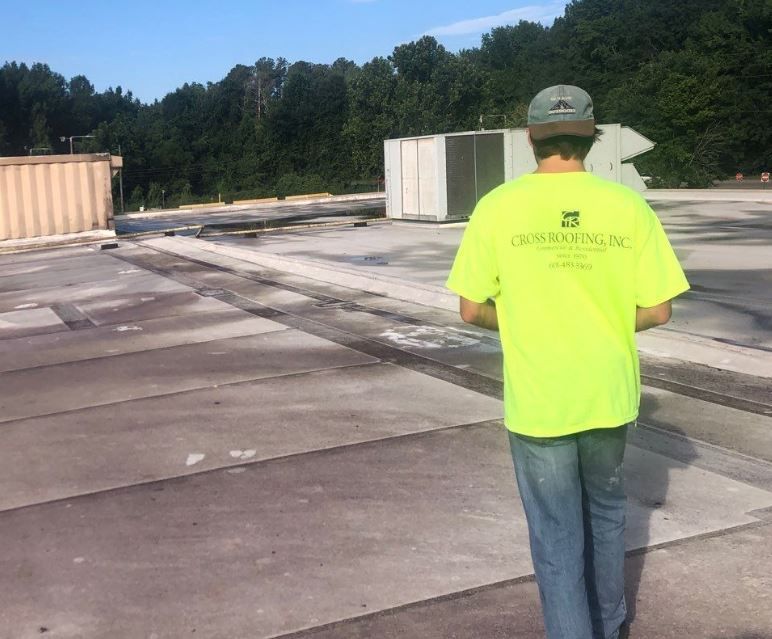
Regular roof maintenance is often overlooked until a major issue arises, leading to costly repairs or even a complete roof replacement. Learn why it is critical to have a good plan in place.






